

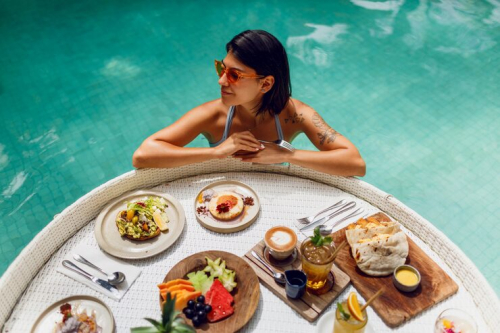
In luxury travel, the journey begins long before landing at the airport. Guests arrive with expectations of comfort, exclusivity, and unforgettable memories, and food emerges as one of the most powerful ways to meet those expectations. Far from being an afterthought, dining becomes a central thread that ties every destination to its soul. It allows travelers to taste the region’s culture, connect with local traditions, and create emotional bonds that extend far beyond a typical vacation.
Modern high-end travelers are shifting away from standardized luxury toward experiences that feel personal and deeply rooted. Culinary moments whether a chef-led tasting menu, a farm-to-table dinner, or an interactive cooking class play a leading role in this transformation. They transform a stay into a story, turning ordinary travel into something that lingers in the mind long after the last sunset.
Planning a luxury escape in Cabo San Lucas can mean juggling unreliable vendors, shifting schedules, and generic options that miss the best private beaches and exclusive experiences. That tension builds as precious time in paradise fades, turning special into stress. Cabo Platinum changes that by expertly managing every detail: hand-selected luxury villas, a dedicated local concierge, and seamless access to private yachts, fishing charters, chefs, and more. Every Cabo Platinum stay is thoughtfully tailored to your group, and focused entirely on creating the relaxed, memorable escape you imagined. Schedule a call with your Cabo Specialist today, or call (530) 290-8138 now.
The Shift Toward Immersive and Authentic Experiences
Travelers today seek more than beautiful scenery or refined accommodations. They want to feel the place they are visiting. Food experiences deliver that connection in a way no other element can. They invite guests to participate in local life, meet the people behind the cuisine, and understand the ingredients that define a region’s identity.
This approach aligns with a broader evolution in luxury hospitality. Affluent guests increasingly value authenticity and emotional resonance over traditional markers of wealth. Instead of expecting flawless execution in every detail, they appreciate moments that feel genuine and shareable. Culinary programming fits perfectly into this philosophy because it is accessible, personal, and packed with storytelling potential.
Hotels and resorts are responding by weaving food into the core guest experience. What once felt like a supporting service now serves as a primary medium for cultural immersion. This change helps brands differentiate themselves in a crowded market and gives travelers a reason to return because they have tasted something that cannot be replicated elsewhere.
Food as the Gateway to Cultural Immersion
Food experiences allow travelers to step inside a destination’s heritage without leaving their resort. A local market tour reveals hidden gems and teaches the history behind ingredients. A hands-on cooking session with a respected chef turns visitors into active participants, reinforcing memories that feel earned rather than merely received.
These interactions build bridges between guests and hosts. Travelers learn about seasonal ingredients, traditional techniques, and the stories attached to each dish. In return, they gain a deeper appreciation for the place they are exploring. The result is a trip that feels transformative rather than superficial.
Within luxury hospitality, this kind of engagement has become essential for competitive differentiation. Guests who participate in food-related activities report stronger emotional connections to their destinations. They leave not only with new knowledge but with lasting stories and a sense of having truly been part of the community.
Why Culinary Moments Create Memorable Memories
Memories formed through food are often the most vivid because they involve all five senses. The sizzle of a fresh ceviche at sunset, the aroma of herbs rising from an outdoor grill, or the warmth of a shared meal around a communal table these are experiences that linger. They turn a good vacation into a great one and a great one into a story told for years.
Travelers today crave these emotional high points. They want to leave with a tangible keepsake: a photo of the meal, a recommendation from a local chef, or a memory that inspires them to return. Culinary programming provides the perfect vehicle for creating such moments because it is both personal and shareable.
When food becomes the focal point of a trip, it elevates the entire experience. Guests talk about it with friends long after they have returned home. They mention specific dishes, unique settings, and the conversations that happened around the table. These stories become the currency of luxury travel something guests proudly carry with them.
Practical Ways to Integrate Food Experiences
Luxury properties are finding creative ways to weave food into every stage of a guest’s journey. Private chef dinners can be customized to highlight local specialties. Interactive workshops teach guests how to prepare regional dishes using ingredients sourced from nearby farms. Sunset beach picnics with live music add an extra layer of romance and authenticity.
Another effective approach is farm-to-table excursions. Guests visit working farms or sustainable farms, understand the growing process, and then enjoy the harvest at a restaurant on site. These trips combine education, nature, and cuisine in one seamless experience that feels both adventurous and refined.
Many properties now offer seasonal tasting menus that change monthly to reflect what is fresh and local. This not only supports nearby producers but keeps the dining experience feeling current and exciting. Guests leave with a deeper understanding of how the destination’s cuisine evolves and why it matters.
Food Experiences as a Strategic Differentiator
For luxury travel brands, food programs have become a strategic advantage. They create emotional bonds that price alone cannot match. When guests share stories about their culinary adventures, they naturally recommend the property to others especially those who value authenticity.
Properties that master food experiences often see higher satisfaction scores, longer stays, and repeat bookings. The investment pays off because it turns one-time visitors into advocates. In an industry where guests are increasingly discerning, this kind of differentiation is essential for standing out.
Forward-thinking operators are treating food not as an add-on but as a core pillar of the guest journey. They train staff to become ambassadors for local cuisine and partner with chefs and producers to deliver experiences that feel unique to each property. The result is a competitive edge that goes beyond rooms and pools.
Building Lasting Connections Through Shared Tables
One of the most powerful aspects of food experiences is their ability to create genuine connections. Sitting down for a meal brings people together around a common interest. Whether a couple on a honeymoon or a group of friends celebrating a milestone, food provides a neutral, joyful space for conversation and laughter.
Travelers often return home with new friendships or renewed relationships. They mention specific people they met through the experience or dishes they now crave to recreate at home. These human elements add a layer of warmth that luxury travel increasingly needs to deliver.
Properties that excel at this aspect of dining help guests leave with memories that include people as much as places. In an era when meaningful connections matter more than ever, this quality sets exceptional experiences apart.
The Role of Gastronomy in Future Luxury Travel
As travelers continue to prioritize authenticity and personal growth, the importance of food experiences will only grow. Future luxury destinations will likely place even greater emphasis on immersive culinary programs that blend local culture with modern techniques. Those who adapt quickly will lead the way.
For brands committed to delivering exceptional stays, integrating thoughtful food programs is no longer optional. It is a strategic necessity. It creates memorable moments, fosters loyalty, and positions properties as more than just accommodations they become destinations that leave lasting impressions.
In the end, food experiences remind us that luxury travel is not just about where you go. It is about how deeply you experience it. When dining becomes a central part of the journey, every traveler walks away with more than a vacation they walk away with stories, memories, and a deeper connection to the place they called home for a time.
Supporting References
Travel behavior in recent years has increasingly centered on meaningful, experience-driven journeys where food, culture, wellness, and personal connection play a defining role. Across global travel patterns, there is a clear shift toward prioritizing immersive experiences that allow travelers to engage more deeply with destinations rather than simply visiting them. Culinary experiences stand out as one of the most influential components of this shift, shaping how people choose destinations, plan itineraries, and evaluate the quality of their trips. Dining is no longer viewed as a routine part of travel logistics but as a highlight that can define the memory of an entire journey. Travelers are seeking out local restaurants, regional specialties, food festivals, and unique dining environments as core elements of their itineraries, reflecting a broader desire to connect with culture through taste.
This evolution is especially pronounced in luxury travel, where expectations have moved beyond traditional luxury markers toward curated, emotionally resonant experiences. High-end travelers increasingly associate value with authenticity, storytelling, and access to distinctive culinary moments that cannot be replicated elsewhere. As a result, hotels, resorts, and travel providers are investing more heavily in food and beverage programs, recognizing that gastronomy is one of the most powerful tools for delivering memorable, differentiated travel experiences that align with modern consumer priorities.
Luxury hospitality is undergoing a significant transformation away from traditional displays of wealth and toward deeply immersive, culturally grounded travel experiences. Affluent travelers are increasingly prioritizing authenticity, emotional connection, and meaningful engagement with destinations over standardized luxury offerings. This shift is driving hotels, resorts, and travel operators to redesign guest experiences around cultural immersion, local storytelling, and participatory activities that bring travelers closer to the identity of a place. Rather than focusing solely on physical luxury such as room design or amenities, the new definition of high-end travel emphasizes curated experiences that feel personal, transformative, and locally rooted. Within this broader trend, food experiences play a central role as one of the most accessible and impactful forms of cultural immersion.
Culinary programming ranging from chef-led dining experiences and regional tasting menus to farm-to-table excursions and interactive cooking sessions allows travelers to engage directly with the heritage and traditions of a destination. This aligns with the growing expectation that luxury travel should create lasting emotional memories rather than superficial indulgence. The hospitality industry is responding by integrating gastronomy into the core guest journey, treating food not as a supporting service but as a primary storytelling medium. As a result, culinary experiences are becoming essential to competitive differentiation in luxury travel, helping brands deliver the depth, authenticity, and personalization that modern travelers increasingly demand.
Frequently Asked Questions
Why are food experiences important in luxury travel?
Food experiences are a core part of luxury travel because they transform a trip into a memorable, emotionally rich journey. They allow travelers to connect with local culture, traditions, and identity through taste and storytelling. In modern luxury tourism, culinary moments often define the overall perception of a destination and create lasting impressions that go beyond accommodations or scenery.
What types of food experiences do luxury hotels and resorts offer?
Luxury hotels and resorts offer a wide range of curated food experiences, including private chef dinners, seasonal tasting menus, and interactive cooking workshops. Many also provide farm visits, local market tours, and outdoor dining events that highlight regional flavors. These experiences are designed to be immersive, personalized, and closely tied to the destination’s culture.
How do culinary experiences enhance cultural immersion in luxury travel?
Culinary experiences enhance cultural immersion by allowing travelers to actively engage with a destination’s heritage through its cuisine. Activities like cooking classes, farm-to-table tours, and chef-led tastings help guests understand local ingredients and traditions. This hands-on participation creates deeper emotional connections and a more authentic travel experience.
Disclaimer: The above helpful resources content contains personal opinions and experiences. The information provided is for general knowledge and does not constitute professional advice.
You may also be interested in: Bespoke Services Tailor Cabo Vacations to Individual and Group Preferences
Planning a luxury escape in Cabo San Lucas can mean juggling unreliable vendors, shifting schedules, and generic options that miss the best private beaches and exclusive experiences. That tension builds as precious time in paradise fades, turning special into stress. Cabo Platinum changes that by expertly managing every detail: hand-selected luxury villas, a dedicated local concierge, and seamless access to private yachts, fishing charters, chefs, and more. Every Cabo Platinum stay is thoughtfully tailored to your group, and focused entirely on creating the relaxed, memorable escape you imagined. Schedule a call with your Cabo Specialist today, or call (530) 290-8138 now.
Powered by flareAI.co
Contact Us
popular posts.



recent posts



Browse Categories
- "In the Know"
- Activities
- Dining
- Eating and Restaurants
- Fishing
- Food
- Golf
- History
- Holidays
- Jet charters
- Luxury
- Luxury Group Travel Planning in Los Cabos
- Luxury Travel News
- Luxury Villas vs Resorts in Los Cabos
- Milestone Celebrations & Private Events in Los Cabos
- Private Chef
- Property Management
- Property Walkthrough
- Real Estate
- Travel Tips
- Villa Rentals
- weddings
- Yachts