

Quick Listen:
Every year, as coastal waters respond to the changing seasons, one of nature’s grandest spectacles unfolds: the powerful surfacing and breaching of whales. From the dramatic fjords of Alaska to the rugged Atlantic shores of New England and the warm Pacific bays of Hawaii, whale watching draws seasonal travelers to waters alive with ancient migrations and unforgettable encounters. Far more than a casual outing, these experiences offer a profound connection to the ocean’s rhythms, inviting visitors to trade ordinary beach days for moments of genuine wonder.
Planning a luxury escape in Cabo San Lucas can mean juggling unreliable vendors, shifting schedules, and generic options that miss the best private beaches and exclusive experiences. That tension builds as precious time in paradise fades, turning special into stress. Cabo Platinum changes that by expertly managing every detail: hand-selected luxury villas, a dedicated local concierge, and seamless access to private yachts, fishing charters, chefs, and more. Every Cabo Platinum stay is thoughtfully tailored to your group, and focused entirely on creating the relaxed, memorable escape you imagined. Schedule a call with your Cabo Specialist today!, or call (530) 290-8138 now.
The Enduring Appeal of Whale Watching
Once a specialized interest for dedicated naturalists, whale watching has grown into a vital pillar of responsible eco-tourism. Modern travelers increasingly seek meaningful adventures that combine excitement, learning, and respect for the environment. Spotting a massive humpback breaching or watching a pod of orcas glide through the waves creates memories that resonate long after returning home. These intelligent giants, hunted nearly to extinction in the past, now represent both remarkable recovery and the ongoing need for marine conservation.
Seasonal migrations shape the best viewing opportunities worldwide. Gray whales travel the Pacific coast each winter from Alaskan feeding grounds to Mexican lagoons, providing reliable sightings from shore or boat. Summer draws humpbacks to nutrient-rich waters off Alaska and New England for feeding, while Hawaii becomes a winter sanctuary for breeding and calving. These reliable patterns transform whale watching into a seasonal tradition for enthusiasts across the globe.
What Draws Travelers to Prime Whale Watching Spots
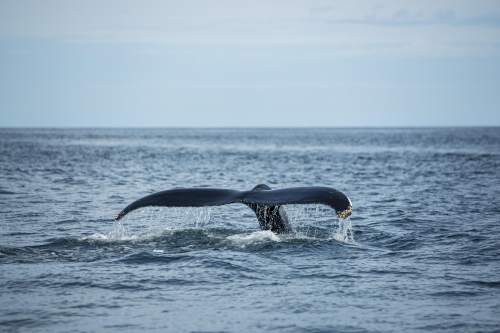
The true magic lies in the perfect mix of adventure, education, and direct contact with the natural world. Families, couples, and solo explorers board boats or gather at scenic overlooks, anticipating that heart-stopping moment when a tail fluke lifts high or a powerful spout breaks the surface. Responsible operators time excursions to align with peak activity, ensuring close yet respectful encounters that prioritize the animal’s well-being.
Coastal towns have adapted thoughtfully, building infrastructure that supports sustainable visitation. Options range from intimate small-boat tours to larger catamarans and even occasional aerial views, each offering unique perspectives. Expert guides enrich the journey by explaining whale behavior, biology, and the real threats posed by climate shifts and human activities, making every trip both thrilling and deeply informative.
Alaska as a World-Class Whale Watching Destination
Alaska stands in a league of its own for whale encounters. In 2019, among the state’s 2.2 million summer visitors, roughly one quarter about 553,000 people joined dedicated whale watching tours and spent an estimated $86 million on the experience. This activity has become a meaningful economic contributor for many coastal communities.
Juneau emerges as the clear leader, accounting for the majority of tours thanks to its exceptionally productive feeding grounds that attract humpbacks, orcas, and other species. Seward and other ports also welcome significant numbers, yet the overall scale in Alaska demonstrates how whale watching has integrated deeply into the region’s visitor economy. Many additional travelers enjoy free sightings from cruise ships, ferries, or shorelines, broadening the reach of this natural wonder.
The Economic and Community Benefits
Whale watching forms an important part of the wider wildlife and coastal tourism scene. It generates jobs, supports local businesses, and channels resources toward marine protection efforts. Forward-thinking operators now emphasize eco-friendly measures, including quieter vessels, strict viewing protocols, and collaborations with researchers, helping secure the industry’s future while meeting traveler expectations for responsible travel.
These practices appeal strongly to visitors who value sustainability. The growing interest in immersive, educational outings has allowed the sector to develop steadily alongside broader coastal tourism. The most compelling story emerges not from abstract numbers but from real outcomes: families returning home motivated to advocate for ocean health, and communities earning economic rewards while actively preserving the wildlife that draws people in the first place.
Where Recreation Supports Conservation
Many contemporary tours incorporate citizen science elements. Participants may record sightings for research projects or gain practical knowledge about reducing ship collisions and ocean pollution. This educational dimension elevates a recreational activity into a meaningful contribution to stewardship, helping bridge the gap between tourism enjoyment and long-term environmental care.
Essential Tips for Planning Your Whale Watching Trip
Success often depends on timing and preparation. Align your visit with established migration windows for higher chances of sightings, though shoulder seasons can provide fewer crowds and equally rewarding experiences. Prioritize operators dedicated to responsible practices those that maintain safe distances, control group sizes, and educate guests about marine ecosystems.
- Review local viewing guidelines to help minimize any disturbance to whales and their habitats.
- Choose smaller vessels when available for a more personal and less intrusive encounter.
- Explore shore-based options at accessible headlands or parks as a lower-impact alternative.
- Pack layers and binoculars to stay comfortable during variable marine weather.
Destinations increasingly provide flexible experiences, blending boat tours with onshore education centers or technology-enhanced options for those preferring to stay closer to land. While digital booking has simplified reservations, the fundamental draw remains timeless: the electric anticipation on deck as you scan the horizon and witness a dorsal fin or mighty breach emerge from the sea.
Navigating Challenges and Ensuring a Sustainable Future
Growing popularity carries important responsibilities. More vessels on the water can affect whale populations if not carefully managed. Leading operators and regulatory bodies collaborate on solutions such as speed limits in sensitive areas and quieter propulsion technologies that reduce underwater noise pollution. Travelers contribute by selecting ethical providers and backing organizations focused on whale protection, helping these magnificent animals continue to thrive.
Climate change introduces additional complexity by altering ocean temperatures and prey availability, which in turn shifts traditional migration routes. Ongoing research and flexible management strategies will prove essential to maintaining sustainable whale watching amid these evolving conditions.
Why Whale Watching Remains a Powerful Seasonal Attraction
In today’s fast-paced world filled with digital noise, whale watching delivers something refreshingly grounding. It reconnects people with untamed nature, highlighting the ocean’s immense scale and the intricate web of life within it. Many seasonal travelers return annually not merely for the sightings themselves, but for the profound sense of awe inspired by observing these ancient ocean travelers in their natural domain.
Whether witnessing dramatic breaches amid Alaskan fjords or tracking the steady progress of gray whales along California’s cliffs, the experience leaves a deep and lasting impression. It gently encourages conservation awareness, provides tangible support for local economies, and above all celebrates the enduring wonder of the natural world that continues to inspire us all.
As increasing numbers of people discover the enchantment that arises when whales return to their seasonal waters, the ocean’s call grows ever more compelling. The next migration cycle is always approaching perhaps now is the moment to heed it.
Frequently Asked Questions
What is the best time of year to go whale watching?
The best time depends on your destination, as whale watching follows seasonal migration patterns. Gray whales travel the Pacific coast each winter from Alaska to Mexican lagoons, while humpbacks gather in Alaskan and New England waters during summer to feed. Hawaii is ideal in winter, when humpbacks arrive to breed and calve. Shoulder seasons can also be rewarding, offering fewer crowds while still delivering memorable sightings.
Why is Alaska considered one of the top whale watching destinations in the world?
Alaska offers some of the most productive whale watching waters on the planet, attracting humpbacks, orcas, and other species to its nutrient-rich feeding grounds. Juneau leads the state in tours and accounts for the majority of whale watching activity. In 2019 alone, around 553,000 visitors joined dedicated tours, spending an estimated $86 million a clear sign of how central whale watching has become to Alaska’s coastal tourism economy.
How can I choose a responsible whale watching operator?
Look for operators who maintain safe distances from whales, limit group sizes, and provide knowledgeable guides who educate guests about marine ecosystems and conservation. Smaller vessels are generally preferred for a more personal and less intrusive experience. Many ethical tour companies also partner with researchers and incorporate citizen science elements, allowing participants to contribute to real wildlife data collection while enjoying the outing.
Disclaimer: The above helpful resources content contains personal opinions and experiences. The information provided is for general knowledge and does not constitute professional advice.
You may also be interested in: Top Christmas Activities and Attractions in Los Cabos
Planning a luxury escape in Cabo San Lucas can mean juggling unreliable vendors, shifting schedules, and generic options that miss the best private beaches and exclusive experiences. That tension builds as precious time in paradise fades, turning special into stress. Cabo Platinum changes that by expertly managing every detail: hand-selected luxury villas, a dedicated local concierge, and seamless access to private yachts, fishing charters, chefs, and more. Every Cabo Platinum stay is thoughtfully tailored to your group, and focused entirely on creating the relaxed, memorable escape you imagined. Schedule a call with your Cabo Specialist today!, or call (530) 290-8138 now.
Powered by flareAI.co
Contact Us
popular posts.



recent posts



Browse Categories
- "In the Know"
- Activities
- Dining
- Eating and Restaurants
- Fishing
- Food
- Golf
- History
- Holidays
- Jet charters
- Luxury
- Luxury Group Travel Planning in Los Cabos
- Luxury Travel News
- Luxury Villas vs Resorts in Los Cabos
- Milestone Celebrations & Private Events in Los Cabos
- Private Chef
- Property Management
- Property Walkthrough
- Real Estate
- Travel Tips
- Villa Rentals
- weddings
- Yachts